

What Are Some Problems Makeup Companies Face?

Table of Contents Few could have predicted that if the unabridged population had to remain locked down at dwelling for several months, personal beauty would proceed to exist a priority. However this want to look expert is not equally superficial equally i might think—the maintenance of demand for corrective and personal care products during the COVID-xix crisis has a lot to do with the physical and psychological well-beingness of a society in quarantine. Even while fashion has taken a back seat, consumers are however conscientiously keeping up with their body and facial intendance practices. Maintaining a cocky-care routine is not merely beneficial for health, simply likewise allows people to concord on to a sense of normalcy in their lives during these uncertain times. Skin, hair, and oral intendance products along with accessories such equally makeup and perfumes have maintained a adept level of sales since the beginning of the coronavirus crisis. While the cosmetics industry is not expected to grow as much as forecasts from early 2020 indicated, beauty companies will all the same retain more momentum compared to other sectors and are in a position to boost their expansion in digital channels. Earlier the pandemic, the cosmetics market saw continuous growth thanks to consumer interest in leading healthier lifestyles as well every bit approaching self-care every bit a correct and non and then much a question of vanity. Cosmetics manufacturers too embraced digital dispatch, giving them an reward over other industries that were less prepared for the shift to a primarily due east-based consumption landscape. Advertisements for corrective products on digital channels and social media are a mutual feature of almost people's daily online experience. Brands have been able to considerably increase their sales past developing a presence on Instagram (the quintessential beauty care platform) and YouTube, in addition to collaborating strategically with influencers. In times of quarantine, consumers are looking for self-maintenance products and support materials that are piece of cake to use then they can continue caring for themselves at home fifty-fifty when barber shops and dazzler salons remain closed. Videos on YouTube and Instagram offering tutorials and tips take become more than than a marketing resources: going digital is vital to retaining the attention of a target audience. At the time aforementioned, information technology is clear that the consumption of beauty products has gone downwards and volition keep to decline in comparing to spending on other essential products (such as food and medicines). Moreover, the most sought-after production categories for buyers are too changing. For example, wearing a mask for a long time irritates the skin and this has led to more demand for facial care products. On the other hand, with anybody covering their mouth, it does not make much sense for consumers to rush to buy lipstick. → Related: Changes in the demand of cleaning and disinfection products Information technology would seem that the cosmetic and dazzler intendance products with the highest demand in the coronavirus landscape can exist divided into either practical or luxury particular categories: Some manufacturers have had to rebrand themselves by prioritizing the auction of products in their itemize that meet the current needs of customers while giving less preference to once "star" products that are no longer top sellers. All the same, these new demands are temporary and will shift very quickly, then manufacturers must pay close attention to how consumption patterns and health and safe measures evolve in different countries. For case, there appears to be a consumer trend in favor of applying lighter makeup when working from home and wearing a mask outdoors, though this could alter once public spaces are reopened and social distancing regulations are relaxed. As is the case in the chemic industry, cosmetics manufacturers may encounter medium-term problems in the supply of components for their products. Many top brands have factories in Asian countries where they could face difficulties both in keeping upwards with production and exporting goods. This scenario is giving cosmetic manufacturers cause to analyze the time to come of their current supply chain and consider possibly investing in a more local distribution model. Another related problem is that many big retail bondage such every bit Walmart and Flipkart have marked cosmetics every bit not-essential items, leading to supply freezes in some countries. → You may also be interested in: The best marketplaces for selling products in Europe This will be a key role of safety measures once physical stores reopen, only cosmetic manufacturers must already start redoubling their monitoring efforts within the supply concatenation. The production, storage, and distribution of cosmetics requires loftier levels of quality command to foreclose the contamination of materials, since these are products that touch the wellness of consumers. All manufacturers volition need to prepare for the long-term prospect of much tighter scrutiny, both from official bodies as well as buyers themselves who look companies to implement transparency policies. Apart from physical company-owned stores, ane of the principal sales channels for beauty care products used to exist department stores. The average consumer compares different products and lines, which is why they prefer visiting retailers rather than relying on a unmarried brand. This highlights the importance of having digital channels and keeping catalogs updated and accessible to any distributor or retailer that could position products in their marketplace. In addition, many shoppers will grouping their nutrient, cleaning, and cosmetic essentials together in a single purchase for convenience, which means manufacturers who have agreements with online supermarket chains tin can gain more visibility. → A big topic for today'south businesses: The disquisitional importance of logistics in ecommerce Involvement in organic, eco-friendly, and sustainable beauty care products will continue to abound then long as the general public remains worried about bacteria and chemicals. Consumers accept become increasingly aware well-nigh the level of care required for their skin as well every bit the negative effects of many chemically harsh products. This, coupled with the rise in ecology consciousness in guild, means it is those brands and manufacturers with more sustainable product processes and components that will become industry leaders and earn the respect of buyers. Another thing that is working in the favor of many manufacturers during the ongoing crisis are initiatives to support the health sector, for example, by providing medical staff with disinfectant and sanitizing gels. Digitalization is just as important for industry operations as information technology is for sales to the public. The cancellation of fairs, exhibitions, and events in the cosmetics sector ways manufacturers need to take digital catalogs ready to share across their commercial network and anywhere in the world. Digital advice is key to maintaining networks of distributors, agents, and suppliers as well every bit meeting the needs of consumers who are increasingly turning to online support services. Not surprisingly, one of the latest trending search terms on Google has been "online beauty." To be successful in this digital landscape, it is crucial to have accurate product information, experiences that substitute for in-store shopping (such as augmented reality or virtual testers), and methods for quickly contacting brands. Prior to the coronavirus outbreak, many manufacturers of beauty care products had already begun digitizing thanks to the launch of ecommerce in this sector. The current crunch now offers companies the opportunity to eternalize or jump aboard this trend toward all things digital: → Detect more than: Additional trends for B2B manufacturers and networks As the consumption of not-essential products declines during the COVID-19 crisis, many cosmetics businesses have withal benefited from the increased need for hygiene and personal care products. For manufacturers, this is the perfect opportunity to fully encompass digitization, a move that will optimize the operations of their commercial network, open up up new possibilities for supply strategies, and improve advice with consumers. Digitization is not about merely changing class to avoid a temporary storm: it is the path forrad for staying adrift in the long term. Many changes in consumption and demand have already begun to take root in the economy and manufacturers of dazzler care and cosmetic products must likewise give themselves a face-lift that shows customers the very best image of what they represent: digital user-friendliness, sustainability, and transparency.
Changes in demand in the cosmetics sector caused by COVID-nineteen

Expanding the market: A face up-elevator for the beauty care sector
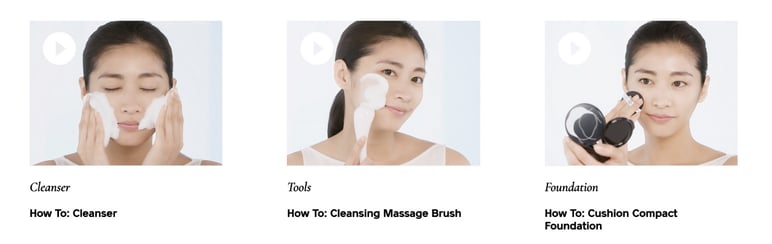
Disinfection and relaxation: The most in-need cosmetics

Issues facing the beauty care industry during the coronavirus crisis
Supply cuts

Sanitary control

Distribution channels
Sustainability
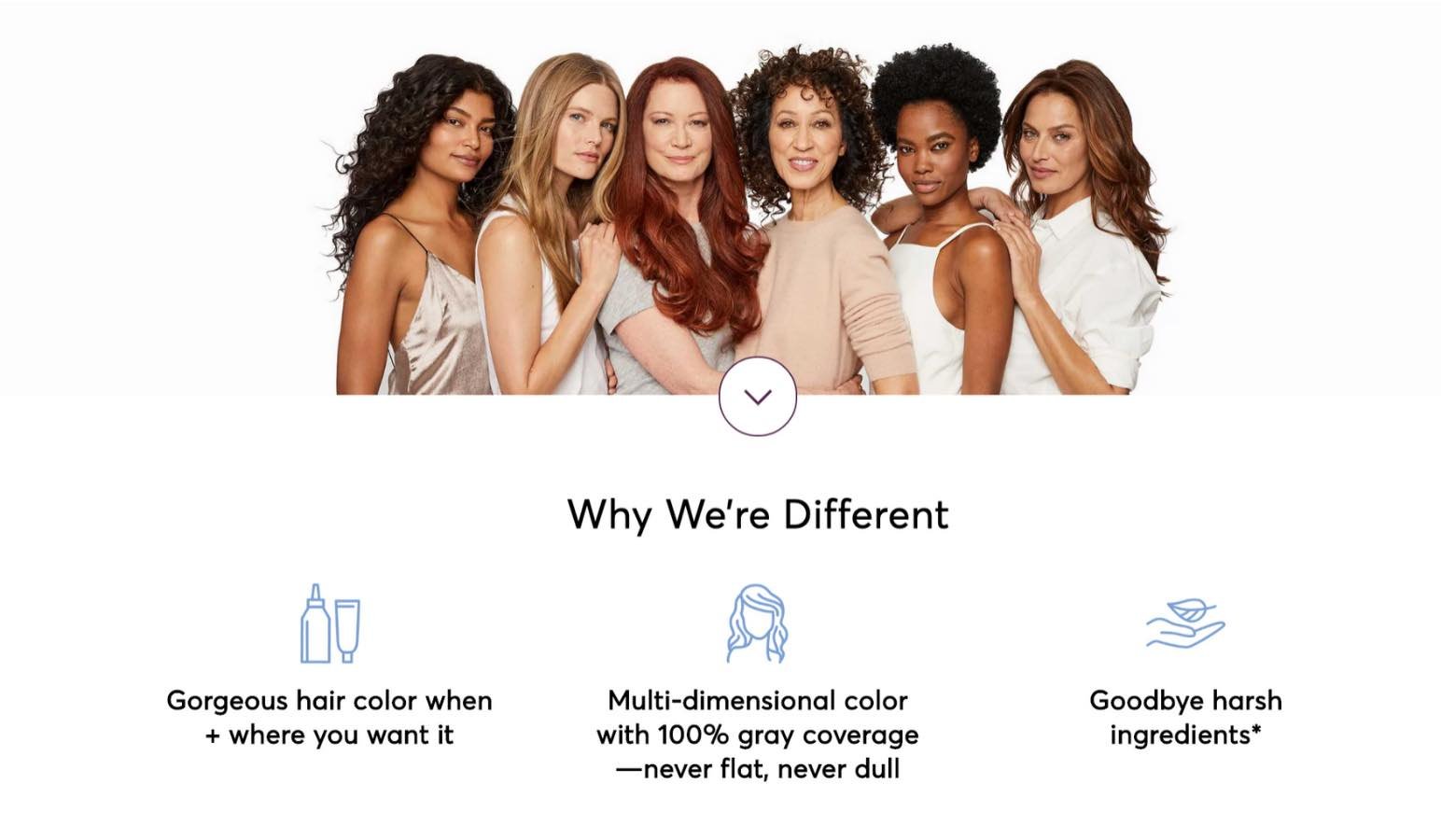
Digitization of information and client support

Opportunities and courses of action for cosmetics manufacturers
Conclusion

Source: https://blog.saleslayer.com/challenges-digital-transformation-cosmetic-industry
Posted by: trubytendought.blogspot.com
0 Response to "What Are Some Problems Makeup Companies Face?"
Post a Comment